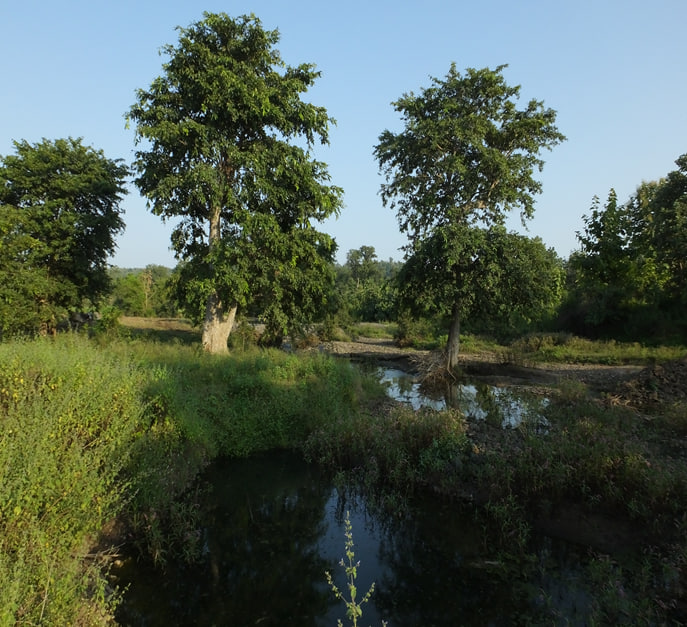
Shipra PGDMRM
Vashundhra watershed development chhitapal (m.p) report- november, 2014
A Brief Description of the Study Area- Chittapal
Overview-
Chhitapal is small village located in Majholi Tehsil of Jabalpur district, Madhya Pradesh with total 111 families residing. The Chhitapal village has population of 505 of which 270 are males while 235 are females as per Population Census 2011. In Chhitapal village population of children with age 0-6 is 68 which makes up 13.47 % of total population of village. Average Sex Ratio of Chhitapal village is 870 which is lower than Madhya Pradesh state average of 931. Child Sex Ratio for the Chhitapal as per census is 943, higher than Madhya Pradesh average of 918. Chhitapal village has higher literacy rate compared to Madhya Pradesh. In 2011, literacy rate of Chhitapal village was 75.74 % compared to 69.32 % of Madhya Pradesh. In Chhitapal Male literacy stands at 86.81 % while female literacy rate was 62.87 %. As per constitution of India and Panchyati Raaj Act, Chhitapal village is administrated by Sarpanch (Head of Village) who is elected representative of village.
Caste Profile-
Schedule Tribe (ST) constitutes 22.57 % while Schedule Caste (SC) were 17.43 % of total population in Chhitapal village.
Work Profile-
In Chhitapal village out of total population, around 50 households, 264 were engaged in work activities. 59.47 % of workers describe their work as Main Work (Employment or Earning more than 6 Months) while 40.53 % were involved in Marginal activity providing livelihood for less than 6 months. Of 264 workers engaged in Main Work, 48 were cultivators (owner or co-owner) while 39 were Agricultural labourer.
| Particulars | Total | Male | Female |
| Population | 505 | 270 | 235 |
| Child (0-6) | 68 | 35 | 33 |
| Schedule Caste | 88 | 53 | 35 |
| Schedule Tribe | 114 | 55 | 59 |
| Literacy | 75.74 % | 86.81 % | 62.87 % |
| Total Workers | 264 | 153 | 111 |
| Main Worker | 157 | 0 | 0 |
| Marginal Worker | 107 | 0 | 0 |
Table 1- Work profile index- source Census 2011
A Case Study on Chhitapal Village: Impact on SWC in Agriculture
Agriculture plays vital role in Indian economy also the primary source of income generation of many rural households. The present study is based on the impact of soil and water conservation in agriculture located in Chhitapal village block Dhimerkheda kachnari panchayat district Katni, Madhya Pradesh. The study is qualitative and quantitative in nature. Informal group discussion and informal interviews were used as tools of data collection. Relevant stakeholders in the village agriculture production system were identified and selected using purposive sampling. Watershed organization trust (WOTR) implemented “Vasundhara watershed project” past seven years ago (2007-2014) and after seven years completion of watershed project in village the agriculture production system is drastically change a lot. Before implementation of the watershed project village was facing several problems and people were not able to identify better way for their improvement of livelihood system. Water is such an issue which will directly or indirectly associated with several parameter of human life and if there is scarcity of water then it will directly harm human life. Watershed is such a project which will develop the village profile in terms of socio-economic status of villagers. It is a well-known fact that watershed projects should move from purely soil and moisture conservation and water harvesting interventions to a wholesome community-based integrated watershed management approach which creates a voice and stake for the landless, poor and women. Poverty alleviation through processes that evolve and empower the poor and women will sustain. The study indicated that soil and water conservation had improved crop productivity in that village also provided the sustainable agriculture.
Methodology-
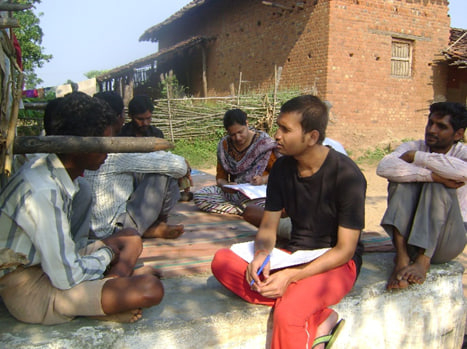
The study was carried out on the month of October from 17th to 23rd, 2014 in Chittapal Village state of Madhya Pradesh to understand the impact of “Vasundhara Watershed” developed by WOTR during the year of 2007 to 2010 in the area of Soil and Water (SWC) in agriculture. On the first day of study we have begun with transit walk to understand the watershed development structure which included two check dam, five wells, gabion structure and farm bunds constructed by watershed committee and with the shram dan (free labour work). After the interviewed with villagers we identified that before WSD intervention, the village was depleted of much of its natural resources. Even drinking water was not assured. Farmers cultivated only during the kharif season; they migrated for work at other city either in brick kilns or construction work during the rest of the year. In India, agricultural seasons can be broadly classified in three categories- kharif (monsoon), rabi (winter) and unhali (summer). Kharif has been the most important season for the farmers economically. A good harvest in Kharif season ensures the farmer a good year ahead. Hence this season becomes critical to study. After watershed development the picture has completely changed. There is sufficient water for drinking as well for agriculture and distress migration has reduced substantially. The parameters for SWC in agriculture is interviewed with the help of informal interview conducted on 18th and 19th October, 2014 and result shows that most of the farmer shifted to non-agricultural activity to agricultural activity. The data were gathered using qualitative data collection methods – informal group discussion and informal interviews. Two informal group discussion as well as some informal interviews were conducted with the individual farmers (included the small, medium and large farmers) including women and other stakeholders like livestock reares. A total of 30 participants were involved in the discussion. The informal discussion, lasting for 3 hours, discussed major parameters of change in -crops cultivation and cropping patterns of the farmers also in total cultivable area change, shift in non-agricultural activity to agricultural activity, improvement of storage facilities also change in food pattern, rain water availability in check dam and wells constructed by WOTR, reduction in cultivable waste land. One informal interview was conducted with each of the following groups: small, medium and large farmers and Village Watershed Development Committee (VDC) president. Purposive sampling was used for selecting the participants and respondents of the discussion and the interviews.
Study Finding-
Prior to watershed development-
Before the project implemented in the village rain water causes the soil erosion due to that upper level of rich soil washing or blowing away (by wind or water) of the top layer of soil (dirt). This is a serious problem for farmers who want to grow crops. If the soil has eroded, the crops will not grow very well. Another is faced by villager was lack of water availability for the irrigation because there were on rain water storage structure (check dam and wells etc.) even before the watershed development very few farmers are able to cultivate their land therefore cultivable waste land was increased and many people migrate to other cities for income. Ground water was very low and people hardly get water for drinking also for their livestock.
Statue of village status post intervention-
The Watershed Committee identified sites for soil and water conservation structures and other measures. Community-based interventions were implemented on common resources. In Chhitapal about 5 wells are constructed with the help of community based participation though presently out of 5 only 3 are working due to climate change which reduce ground water table in last two years, two water storage structures that is check dams are constructed in village to store rain water coming from top level of the watershed, also farmers constructed farm bunds in their respective fields with the help of instruction provided by the watershed facilitator.
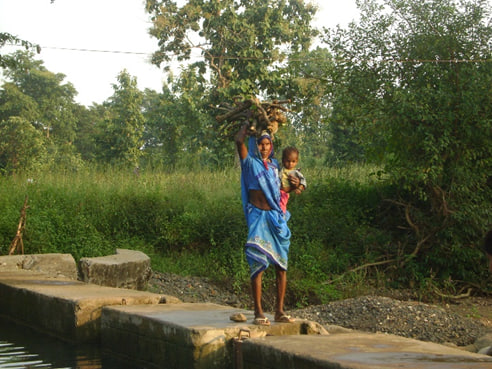

Figure 1- Check Dam Structure for Water Conservation
After the informal interview with 40 farmers out of 50 holding following parameters were examined-
- Shift in land holding pattern-
After the intervention land holding pattern is change within few years, most of the farmers those who are patta holder as well as own land holder hardly able to cultivate their land due to the lack of water availability even most of the farmers only cultivate during the kharif season. Land holding pattern prior to watershed development most the farmers belonged to the small and landless farmers thought very few of the farmers are large land holding in which they have cultivate non cash crop or only kharif crop. After the in intervention there is marginal shift in land holding pattern in village. Out of 40 farmers 13 (32.5%) are small farmers (0.1 to 2.5 acres of land) 20 (50%) are marginal farmers (3 to 5 acres of land), and 7 (17.5) are holding large land (above 5 acres) (table no. 2).
| Farmers Category | Before (N=40) | After (N=40) |
| Small farmers (0.1 to 2.5 acres of land) | 10 | 13 |
| Marginal farmers (3 to 5 acres of land) | 20 | 24 |
| Large land (above 5 acres) | 06 | 07 |
Table 2- Land holding pattern before and after intervention
*N= Number of farmers interviewed
(Interview of the respondent- Name Ramesh Prasad “Madam ji haman ne to patta zameen li thi per chuki paani na hot rahe isi laane haman ne kachu kam kheti kerat rahe per ab jabai se paani agaye hai tabai se kheti karan lage hai verna to thodi bahut hi zammen main ker paat rahe aur thodi zameen bhi bada li hai taki thodi fasal bhi bade fir aram se kam bhi chal jat hai kahin palayan ke liye jan bhi pade Madam ji verna badi paresaani thi ette” {Local Language}.)
- Change in cultivable area-
Change in cultivable area was examined by the two way viz. cultivable waste land and barren land. It is very surprising that most of the land in village was cultivable waste land rather than barren land reason behind this was due to less water to irrigate their respective land. Watershed development assessment study shows that currently most of the are involved in agriculture activity during the kharif and rabi season crop.


Figure 2- Current status of cultivable land
After interviewed with respondent it is clearly observed that farmers are happy and able to sustain their livelihood in agriculture because of sufficient water availability and rich soil of upper level get stop by the help of farm bund made in their farm land. The life span of this success could be possible if technique is maintain and monitored by them itself.
- Change in crop production pattern-
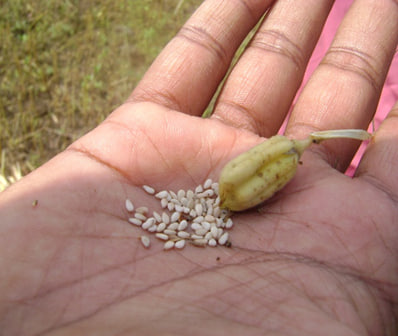
| Figure 3- Til seeds (Current Khafi crop harvested) |
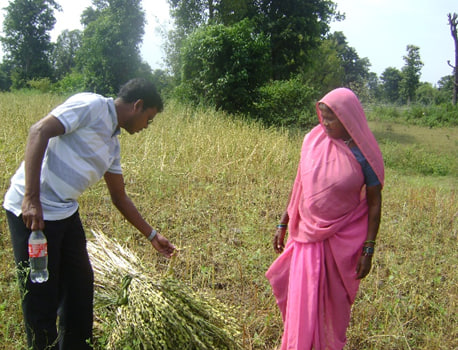
Water availability will direct leads to the welfare of the village which lead the prosperity in human life and this can be understand only when we see the improvement in the agrarian because in India most of the family still depend on agriculture which most unpredictable sector among all other livelihood. Though the intervention given drastic change village after years back of the watershed development was completed in village. Farmers are currently engaged in multiple crop cultivation in the same time which was not there prior to the watershed development. Lots of villagers migrate to different cities because they won’t find agriculture sustainable anymore but after the five years hard work and devotion towards the village make this possible. If we see the current status of village farmers they have improve their crop production pattern a lot reason for this is due to water conservation structure developed by the village committee (mainly women contribution) and the amount of crop which is cultivating today sufficient for them as well as they sold to market also e.g recently they have harvest Kharif crop mainly Makka, Til, and Kodo-Kutki (Paddy was cultivated due to the climate change or less rain fall in this year) and are planning to sale crop to the market/Mandi. (Table-3 before and after intervention detail about change in crop pattern).

Figure 3- Til seeds (Current Khafi crop harvested)
| Rabi (winter) | Before | After | Kharif (Mansoon) | Before | After |
| Masoor | – | Yes | Paddy | Yes | Yes |
| Chana | – | Yes | Kodo-Kutki | Yes | Yes |
| Sarso | – | Yes | Makka | – | Yes |
| Wheat | Yes | Yes | Urad | – | Yes |
| Vegetables | – | Yes | Til | Yes | Yes |
Table 3- change in crop productivity pattern before and after watershed development
- Rain water availability-
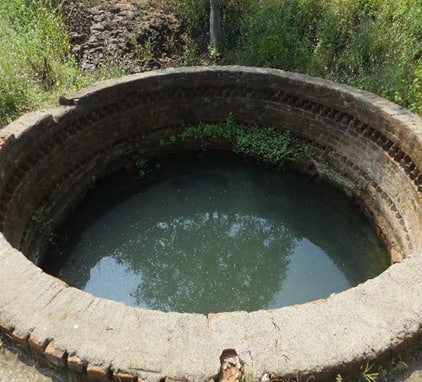
This parameter defined that after the watershed development how much the water conservation structure able to retain the water and improve the ground water table in structure development by the watershed committee. Committee has been developed 5 wells and 2 check dam for soil and water conservation. Though the structure is begin from the top of the drainage which is situated in Mukhas nearby village but in Chhitapal 2 check dams are made so that rain water and soil flowing from the drainage could be stop over the gabion and then by the check dams. Due to less rain fall in current year may cause the water sustainability till the next monsoon come otherwise respondent said that after the intervention the ground water increased in our wells and check dam water is also available for the irrigation throughout the year as observed in last two years but at present only 3 wells are working and having sufficient water for irrigation how’s land is nearby well they could assess for irrigation more than 2 times in a day afterword water table goes down but the check dam is serving most of the farmers in that village because the rain water is available throughout the year (this year rain water availability will depend on the crop cultivation).

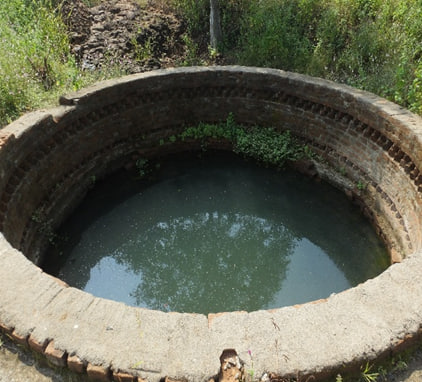
Figure 4- Rain water available in wells and check dam
Check Dam (two) – able to retain rain water throughout year till the next monsoon season come, sufficient for households course (bathing, wash cloths, sanitation etc.), as well as for provides water for irrigation through water pump.
Wells (three in working condition) – able to retain water in monsoon afterwards provides the water for irrigation through pump only for two times in their respective agriculture lands.
- Frequency of irrigation-
Frequency of irrigation varies as the crop pattern change due to the change in the climate this parameter may fluctuate accordingly. Number of times farmers able to irrigate on Kharif crop i.e. Paddy, Til, Makka and Urad is depend on the rain fall in particular time period but due to lack of rain fall in current year only 10 farmers have cultivated Paddy and most of them cultivated Til and Makka therefore one time irrigation was done to produce the good amount of crop and in have been noticed that most of the farmers are planning to sale Til in the local market because they got the good production of Til. After the intervention farmers are using multiple crop pattern in their respective field and they are able to generate good amount of money through the cultivated crop but we cannot avoid the present situation of village as they are going to cultivate Rabi crop in this season where they are planning for Wheat, Sarso, Chana and some amount of vegetables but for Wheat the minimum number of irrigation is required is more than 2 or at least 3 times in the crop season due to lack of rain fall may be the chances of Wheat crop failure will occur and hence village will be facing loss in future. This could be avoid if the selection of correct crop will adopted by the villagers as because of the climate change.
Other Insights of the SWC in Agriculture-
After 5 days study we have come cross several facts on agriculture improvement by the soil and water conservation due to watershed development project. It is very surprising to see the drastic change in land productivity, change in their crop pattern and improvement in ground water table which have created the smiling face of the villagers. There are other facts also noticed after the interview with respondent though it might be neglected but somehow it have indirect relationship with agriculture enhancement, therefore the following parameters were discussed below-
- Change in eating pattern- Out of 40 respondent 30 of them started cultivation of vegetable and few have been shifted from Kodo-Kutki to Paddy in their respective field land. Since the watershed development took place in that village highly effective sector is agriculture where the change turns to the positive impact on small and marginal farmers. Initially they used to buy vegetables to the local vendor but in current status of the villagers they are cultivating adequate amount of vegetable i.e. Tomato, Brinjal, Chilli, Potato, Onion, Bottle gourd etc.
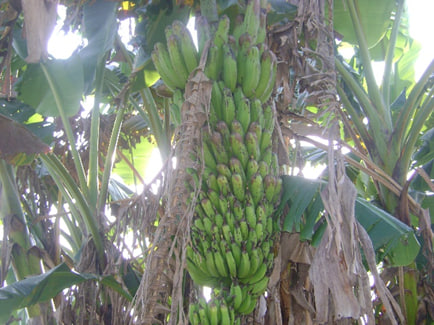
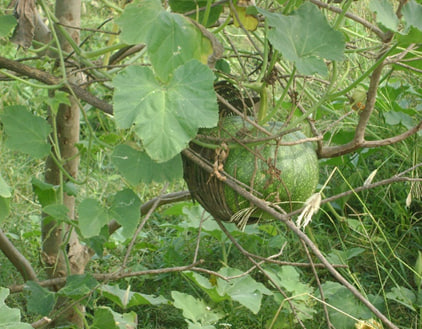
Figure 5- Vegetable Productivity
- Improvement in Storage Infrastructure in House-
Prior to watershed development storage facilities for grain was remain same from past few years back but after the intervention most of the cultivable waste land was converted to the cultivable land also large number of villagers engage in agriculture activity presently. Amount of crop productivity improvement forced people to build their store infrastructure big and also they are able sale their crop into local vender or Mandi.
- Awareness About Non-Timber Forest Product (NTFP)-
| Figure 6- Use of NTFP (Amla) by Villagers |
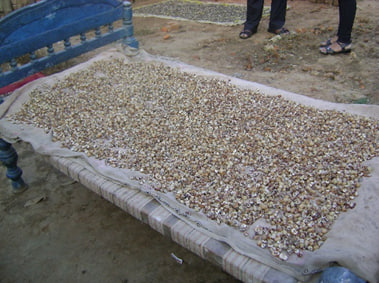
Villagers also engage themselves into collection of NTFP like Amla, Tendu and Char during the Zait (summer) and Kharif (monsoon). During our village visit most of the household women are busy with drying up the Amla which was collected after the end of Kharif season and they sale Amla to the city area where they can get good returns. One of the woman said “ Madam ji haman ko to ye amla ke bare main kachu nai pata the bas tur ke le aat rahe aur ghar main khane ya achar ke liye istemal ker liye rahat per jab Priyank sir aur bhi koi jane hame Chitrakut le gaye rahe aur vaha haman ne ye amla gharo ke baher sukhe dekhe rahe to jan pada ki iska bazar bhav ka hai isliye tabai se haman sabhi aurat logo ne ye ghar mein sukha ker baher bechne lage tabhi kuch paisa kama liye jaye isse” (Local Language). This is how we came to know that villagers got awareness due to the project coordinator and other supporting staff help them.
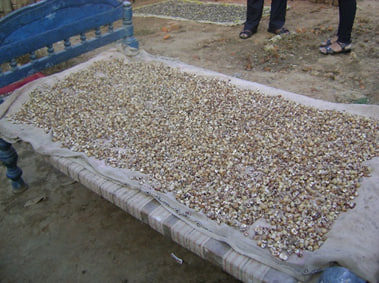
Figure 6- Use of NTFP (Amla) by Villagers
Suggestions-
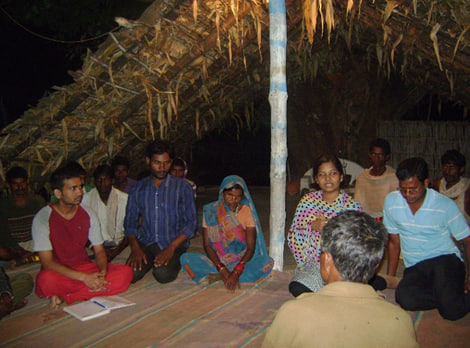
After the 5 days of experience in Chhitapal village we come cross many good thing but rear bad thing about the village. It is very encouraging to see to how the villagers are so concern about their village development, they usually organise meeting for the village development program even we are surprised that meeting is conducting by the lead of women name as Zeera Bai. She is so dynamic personality and though she is uneducated (yes we also called educated people called them as uneducated but are they?) but her confidence and willingness to work for their village is really difficult to define in words. It is well said by our one of the faculty i.e. Mahul sir, he mention that “ we you go to the village you feel are happy even they don’t have basic necessities of their life but one thing you should learn from them is how they are managing themselves within limited amount of money and other resources. He also mention that being a rural management student you see the thing differently from other who live in the grass route but you should be able to find the better and feasible solution for them”. This statement strike in my mind while preparing the study report, so would like to give suggestion for the betterment of village welfare.
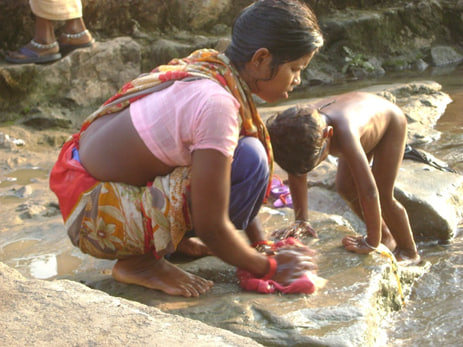
- Awareness campaign for better sanitation practices- In village all are used to go open defecation even for bathing villagers used check dam. If I talk about my experience of five days it is very difficult to go open defecation in morning and for that we used walk around more than a Kilometre in and around forest area. It is so shocking to know that none of the houses having sanitation facilities not even single school. Therefore, there is need of to get them aware about the pros and cons of open defecation. It is very unhygienic that after sanitation most of them not washed their hand by shop or any detergent they just simply used soil to clean their hand afterword they do cooking and other household stuff. Girls who was enrolled in school quit her name after she come into mature stage just because of no sanitation facility, they have to go for pee in open area which is not safe in current stage of country. We have taken bath in back side of the house which is covered by some plants but I feel unsafe there to took bath even in night I never go for pee in back side of the house it is very important to address them how unsafe is that. I wish my suggestion will be consider in positive sense and may in future whenever we get chance to work that village till than some step possible taken by the villagers or any coordinators.
- Forth nightly (twice in a month) visit of health workers- On the second day of village visit one of the lady was so worried because her grandson was sick and she was continuously going out to see whether the doctor come or not whenever she heard vehicle noise but the moment she found there were no doctor her face became so low and her expectation slowly reached to down as she feel hopeless. On the very next day I went her and I asked “so has doctor reached yesterday or not?” then she told me “no one has come to check my grandson and he is still sick, I don’t understand why people don’t realise their responsibilities, usually they used to come on after every 20 days interval in a month but now a days he just come once in a month and that will depend whether he will come to our place or whether I will be there when he come”. This situation realise me that how lucky we are that we can found doctor whenever we want even in mid night but in village which is situated in remote area how people hold their hope for every single thing. I strongly feel, the health system in India should be run effectively because lots of people will be effected if any one of them not work properly. As per our government schemes in village, doctor or health worker who worked in sub centre should have to visit twice in a month (every 15 days interval in a month) in a particular assign village but I guess this not actually happening in grass route level. This will be improve when villagers know their rights so that no one can be escape from their duties.
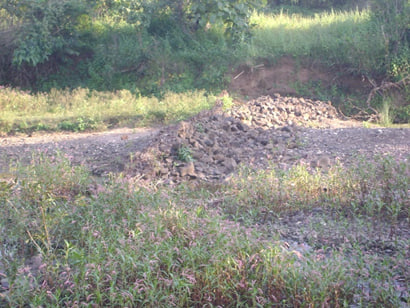
- Monitoring and Evaluation of Watershed Structures- When we went to transit on very first in village, we have seen wells, farm bunds and check dams which was developed by last seven years back. The lower area check dam is used by many people because the height of the structure is low compare to upper area check dam which does not have gate to stop soil but the lower level check dam needs the maintenance because the gate which was made to stop soil erosion is presently broken from the another side due to which lots of water flow out side of the water conservation structure. When we see the condition of gabion which is prepared to stop the soil erosion situated before the check dam is almost negligible and hardly able to stop soil. Even the same status of farm bund which was constructed in farmers land is vanished slowly this need a proper maintenance by the villagers as well as committee should motivate and guide them that how to maintain the structure so that it can sustain in long run.
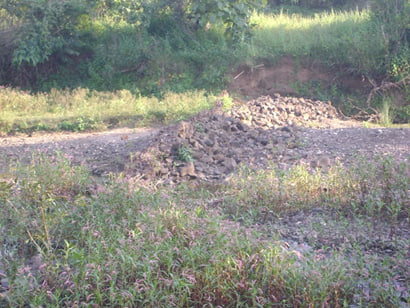
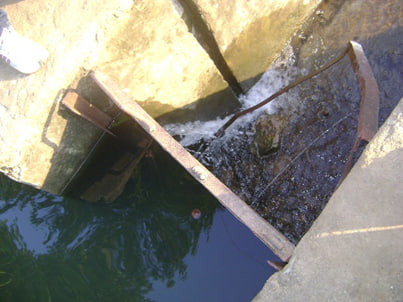
Figure 7- Damage in structure due to lack of maintenance
Cherishing moment and Learning-
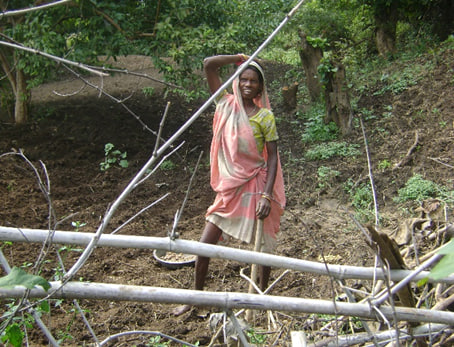
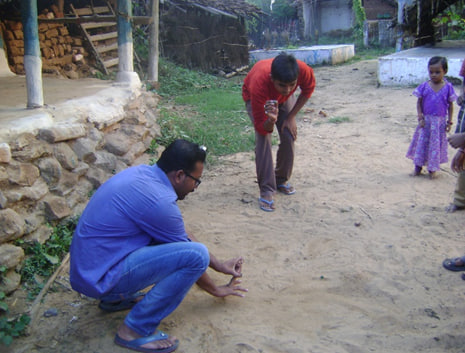
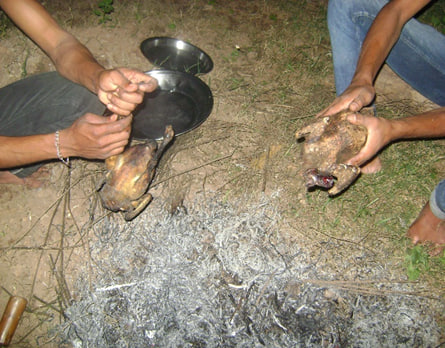
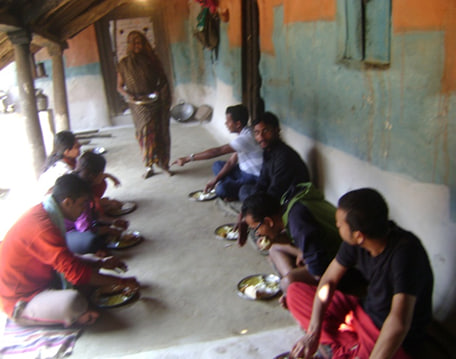
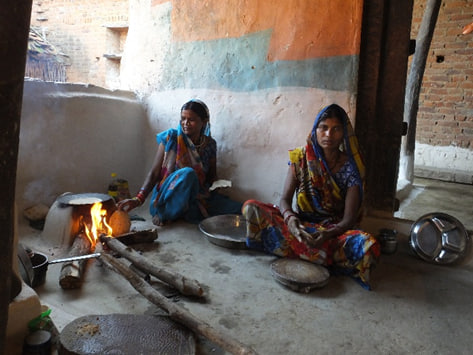
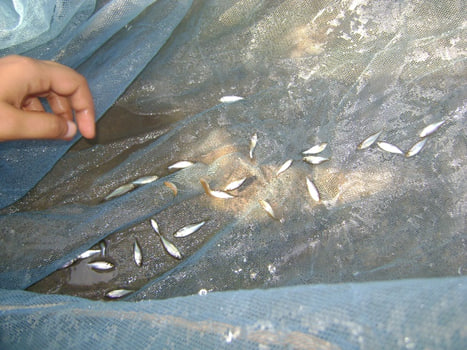
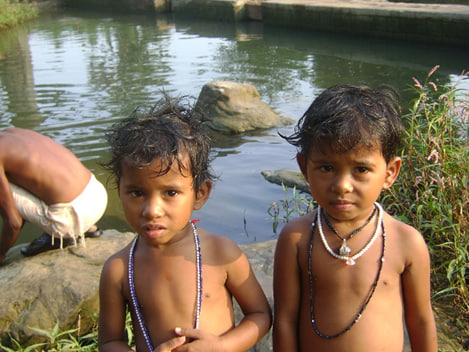
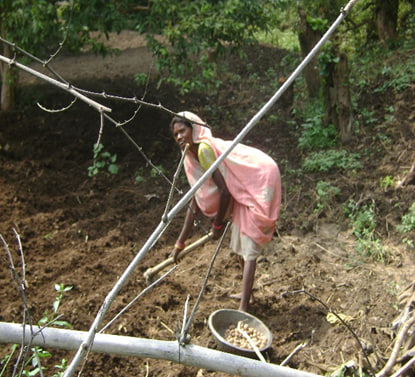
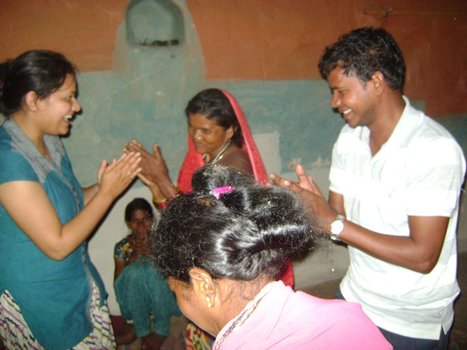
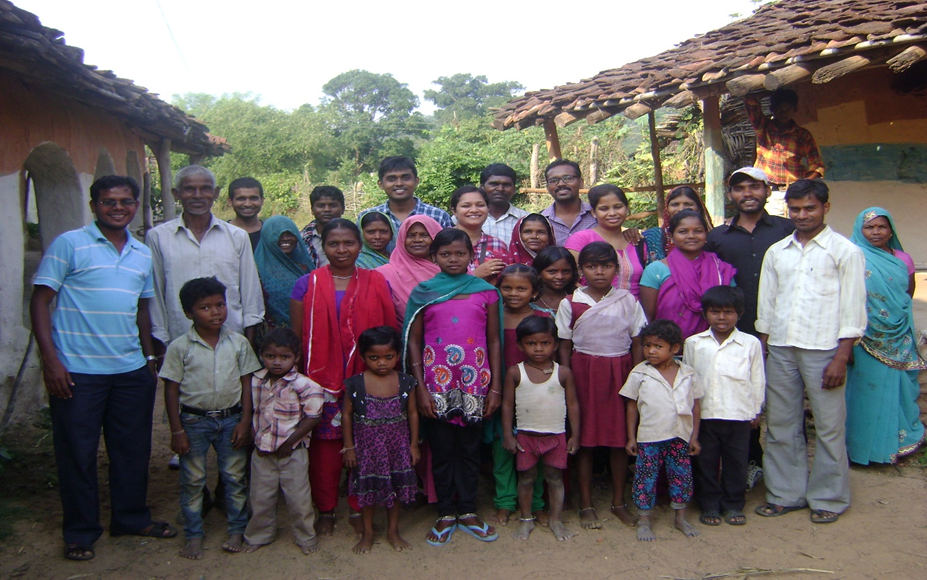
After returning back I cannot believe on myself that I missing those moment which we have spent last 5 days in village called “Chhitapal”, where no sanitation, no television, no internet, no network and list goes on and on but still I feel something left behind us, that something is nothing but the memories where we enjoyed a lot, dancing the whole night with villagers on folk song is feel better than dancing on rock music, wake up in early when sun is just about to rise, fresh and cool air, twinkling of birds, cooking in Chulha when water come down from my eyes because of smoke while struggling to burn firewood, fishing in check dam by mosquito net, working on field with farmers to harvest their crops, open bath and defecation, cup of high class black tea with extra amount of sugar, eating delicious food cooked by Kamli Bai and served with lots of love, lovely chicken cooked by Ravindra, night gram sabha, playing Kancha (Glass Bolls) with village cute children and a warm hug by Kamli Bai, Zeera Bai, Dhaniya Bai and her daughters during the last moment. This trip has given us very cherishing and learning experience that will surely help in our future. We have learn how to remain simple and calm while dealing with villagers so that the barrier between both of us negligible which will create a strong link and corporation with them also not to interrupt them while they would like to talk with you during the informal interview. During the interview I have learn from Akhilesh Bhaiya, one of the committee member of Vasundhara Watershed development who has worked past five years back that whenever we ask any question we should assure that whether villagers understand the question or not otherwise the discussion will be useless. Another learning is that we should fix the time for interview with the proper consultation with respondent so that they can give adequate amount of time for the in depth understanding of the study. I would like to thank our college and watershed committee for given the wonderful opportunity to work in grass route and see the village closely also the villagers who arrange out accommodation.
Collection of Our Best Capture-


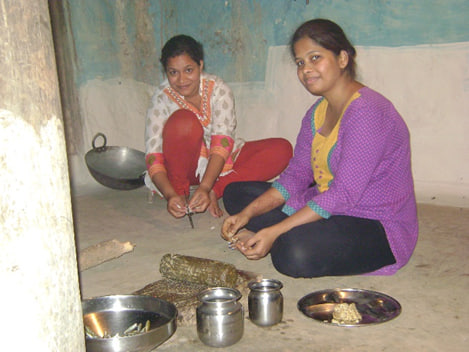
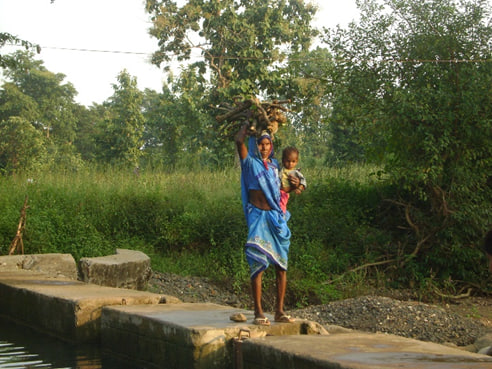
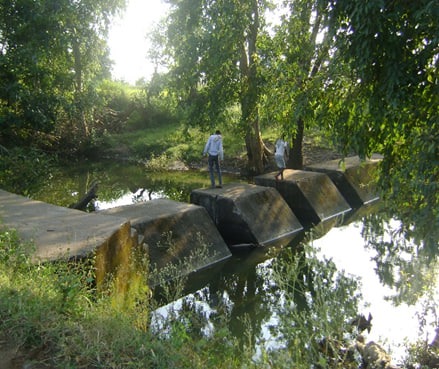
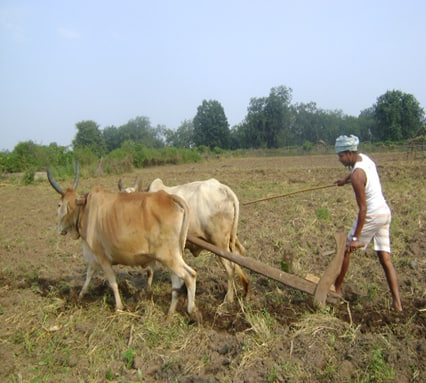
Interview Schedule-
Name of the respondent-
Age-
Khasra number-
Landholding Pattern-
| Landless | Small | Marginal | Large |
Change in Cultivable Area-
| Land Status | Before | After |
| Cultivable waste land | ||
| Cultivable land | ||
| Total cultivable land |
Rain water availability-
| Watershed Structure | Before | After |
| Check dam | ||
| Wells |
Change in crop pattern-
| Rabi (winter) | Before | After | Kharif (Mansoon) | Before | After |
Change in eating pattern-
Prior meal-
After intervention any new meal-
Change in vegetable varieties-
Koto- Kutki to Paddy-
Others-
Improvement in storage infrastructure-
| Number of storage prior to intervention | |
| Number of storage after the intervention |
Frequency of irrigation-
| Rabi (winter) | Before | After | Kharif (Mansoon) | Before | After |
Use of NTFP-
| NTFP Product | Before | After |